
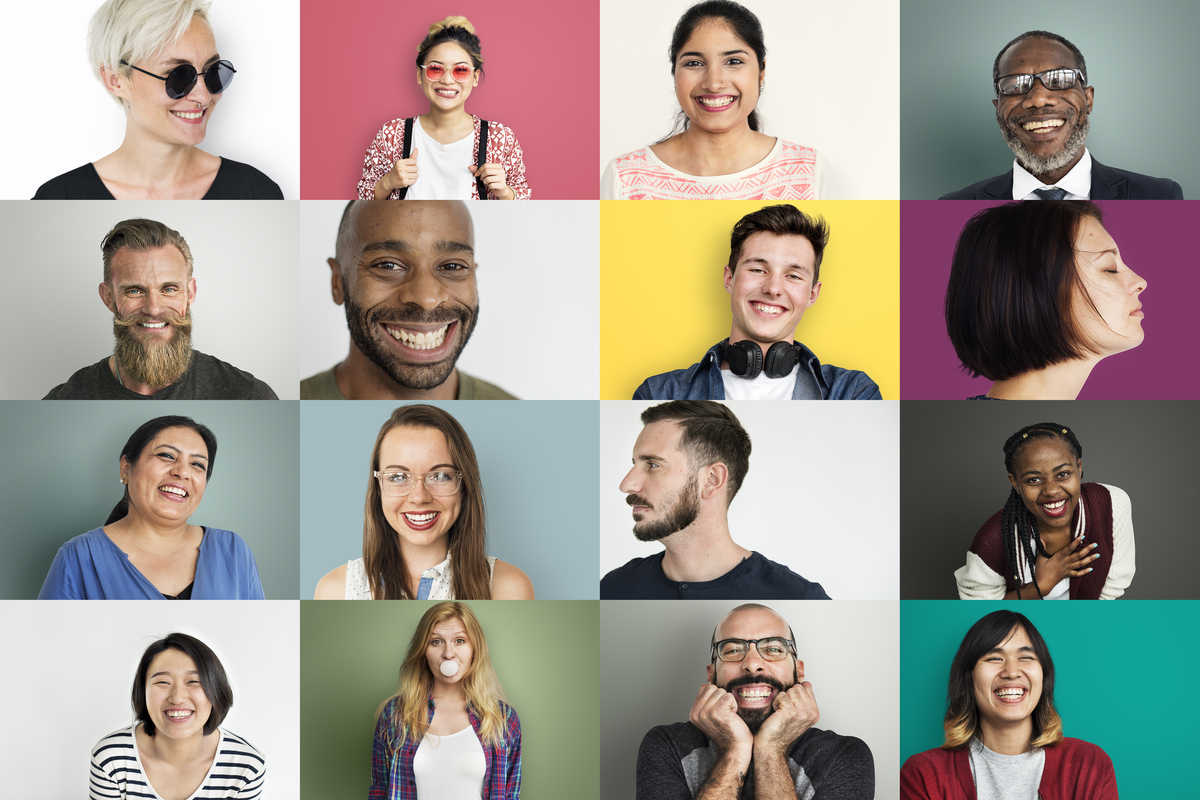
The neurodiversity movement champions the idea that neurological differences among people should be recognized and respected just like any other human variation. This concept reframes traditional notions of normal and embraces the unique contributions of all brain types, including those who are autistic, dyslexic, or have other neurological conditions. As we delve deeper into the benefits of neurodiversity, it becomes evident that fostering inclusive environments not only helps individuals thrive but also brings a wealth of innovative solutions to society.
Understanding Neurodiversity
Neurodiversity is an approach that views neurological differences as a key aspect of human diversity. This perspective acknowledges that brain differences are normal and that people who think differently should not be considered defective. Conditions such as autism, ADHD, dyslexia, and others fall under the neurodiversity umbrella. These conditions are not just disabilities but also offer unique strengths and perspectives that are valuable in many contexts.
The Power of Diverse Minds
The neurodiversity movement highlights the importance of diverse cognitive abilities, showing how different ways of thinking can lead to innovative problem-solving and creativity. When people with varied neurological profiles collaborate, they bring different skills and viewpoints to the table, driving innovation and efficiency.
The Need for Inclusive Solutions
Despite the potential benefits of embracing neurodiversity, many neurodiverse individuals still face significant barriers. These include lack of access to appropriate education, difficulties in finding suitable employment, and societal stigma. Addressing these challenges requires innovative, inclusive solutions.
Education
Educational systems often emphasize conformity and penalize those who do not fit the standard learning style. There is a critical need for educational models that accommodate various learning styles and strengths. This can include personalized learning plans, the use of technology to aid learning, and training educators to recognize and support neurodiversity.
Employment
The traditional workplace is frequently geared towards the neurotypical majority. Neurodiverse individuals can face challenges in such environments due to misunderstood social cues or unconventional problem-solving approaches. Employers can create more neurodiverse-friendly workplaces by implementing flexible work policies, providing clear instructions, and offering support for sensory sensitivities.
Social Acceptance
Societal attitudes often lag behind in recognizing the value of neurodiversity. Public awareness campaigns, inclusive policies, and the representation of neurodiverse individuals in media and leadership positions are crucial for changing perceptions and fostering acceptance.
Leading the Neurodiversity Movement
Several organizations and initiatives worldwide are pioneering the way toward a more neurodiverse-friendly society:
Microsoft’s Neurodiversity Hiring Program
Microsoft has been a leader in recognizing the potential of neurodiverse talents, particularly in the technology industry. Their hiring program is designed to accommodate neurodiverse applicants, providing them with an environment that appreciates their unique skills and fosters their professional growth.
The Autistic Self Advocacy Network (ASAN)
ASAN is an advocacy organization run by and for autistic people. It works to advance the principles of the neurodiversity movement by lobbying for policies that support the autonomy and inclusion of autistic individuals in all aspects of life.
Specialisterne
This international organization harnesses the talents of people on the autism spectrum for the benefit of businesses and the individuals themselves. By adapting the hiring and training processes to the needs of autistic workers, Specialisterne has opened up opportunities in competitive fields like software testing, programming, and data entry.
The neurodiversity movement is reshaping how society views cognitive and neurological differences. By championing the idea of diverse minds and inclusive solutions, this movement is not just advocating for rights and recognition but is also leading the way towards a more innovative and inclusive world. As more organizations and communities recognize the value of embracing all kinds of minds, we move closer to a society where every individual has the opportunity to contribute and thrive.




