
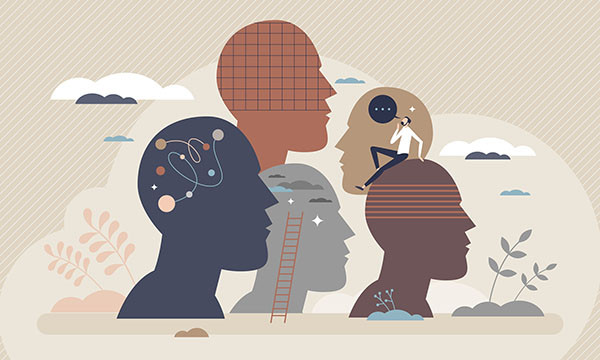
Neurodiversity is rapidly gaining recognition as a vital component of societal diversity that enhances communities, workplaces, and educational systems. This concept encompasses a variety of neurological conditions, including autism, ADHD, dyslexia, and others, advocating that these are not deficits but simply different ways of thinking and interacting with the world. The movement to embrace neurodiversity is not just about inclusion; it’s about recognizing the unique potential and contributions of neurodiverse individuals. This article explores the pioneering progress in neurodiversity, highlighting innovative practices, challenges, and the future directions of this transformative approach.
Understanding Neurodiversity
Neurodiversity refers to the diversity of human brains and minds—the infinite variation in neurocognitive functioning within our species. The neurodiversity movement posits that neurological differences should be recognized and respected as any other human variation. This perspective shifts the focus from treating or curing neurodiverse conditions to celebrating and leveraging these differences in various aspects of life.
The Spectrum of Neurodiversity
Neurodiverse conditions manifest differently across individuals, often resulting in unique strengths such as heightened memory, acute attention to detail, exceptional creativity, and innovative problem-solving skills. Understanding and supporting these strengths can unlock significant potential in both individual lives and the wider community.
Challenges in Embracing Neurodiversity
Despite its benefits, the integration of neurodiversity faces several challenges:
- Social Stigma and Misunderstanding: Neurodiverse individuals often encounter stigma and discrimination due to widespread misconceptions about their abilities and behaviors.
- Inflexible Systems: Many of our societal systems, from education to employment, are designed for neurotypical individuals, making them less accessible for those who deviate from the norm.
- Lack of Support: There is often a significant gap in support services for neurodiverse individuals, particularly in adult life, impacting their ability to live independently and pursue careers.
Pioneering Progress in Neurodiversity
The growing awareness of neurodiversity has sparked numerous initiatives and practices aimed at unlocking the potential of neurodiverse individuals:
Educational Innovations
Educators are developing methods to better engage neurodiverse students. Schools like Landmark College in the U.S. specialize in teaching students with learning differences, using approaches tailored to diverse learning styles, such as multi-sensory teaching methods and technology-integrated learning. These innovations help students excel academically and personally.
Workplace Integration
Companies are beginning to recognize the value neurodiverse individuals bring to the workforce. For example, multinational corporations like SAP and Microsoft have launched neurodiversity at work programs that not only create supportive environments but actively seek to hire and nurture the talents of neurodiverse employees. These programs focus on matching individuals’ unique skills with roles where they can shine, such as data analysis, programming, and creative design.
Technology and Tools
Advancements in technology have played a crucial role in supporting neurodiverse individuals. From communication aids for non-verbal people to software that helps dyslexic individuals read and write more effectively, technology is a powerful enabler that helps bridge gaps and unlock potential.
Community and Advocacy
Organizations such as the Autistic Self Advocacy Network (ASAN) empower neurodiverse individuals by advocating for policies that support their needs and rights. These organizations also provide a platform for neurodiverse voices, promoting a deeper understanding of neurodiversity and its potential.
The Future of Neurodiversity
Looking forward, the potential of neurodiversity is boundless. With continued advocacy, increased awareness, and further development of supportive technologies and practices, society can make significant strides in fully embracing and benefiting from neurodiversity. The focus must remain on creating inclusive environments that recognize the contributions of all individuals, regardless of neurological makeup.
Embracing neurodiversity is essential for a progressive, inclusive, and innovative society. By recognizing and nurturing the unique talents of neurodiverse individuals, we unlock a wealth of potential that can drive social and economic progress. The journey toward embracing neurodiversity is not without its challenges, but with continued effort and pioneering initiatives, we can foster an environment where everyone has the opportunity to succeed and contribute to their fullest potential.




